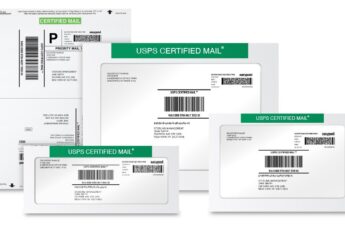
Certified mail is an essential service for sending important documents and packages while maintaining proof of delivery. Understanding the associated costs and benefits can help businesses and individuals make informed decisions. Here’s a comprehensive guide on certified mail postage price in Canada.
What is Certified Mail?
Certified mail is a service that provides senders with proof of mailing and delivery. It’s commonly used for sending legal documents, contracts, or any correspondence requiring a verified delivery. With this service, you receive a tracking number and the recipient must sign upon delivery, ensuring accountability.
Key Features of Certified Mail
- Proof of Mailing: A receipt is provided when you mail the item.
- Delivery Confirmation: The recipient’s signature is recorded upon delivery.
- Tracking: Real-time updates about the status of your mail.
- Security: Items are handled with extra care to ensure safe delivery.
How Much Does Certified Mail Cost in Canada?
The cost of certified mail depends on several factors, such as:
- Mail Type: Letters, large envelopes, or packages.
- Delivery Speed: Standard, express, or priority mail services.
- Weight and Dimensions: Heavier and larger items incur higher fees.
- Destination: Domestic certified mail is generally more affordable compared to international deliveries.
On average, sending a certified letter in Canada costs between $10 to $20, depending on additional services like return receipts.
Breakdown of Costs
- Base Postage Fee: The standard postage rate for your item based on size and weight.
- Certified Mail Fee: An additional charge for the certification service, typically around $4-$6.
- Return Receipt Fee (Optional): For an added fee, you can request a copy of the recipient’s signature.
Why Use Certified Mail?
Certified mail is ideal for situations where you need:
- Legal Proof: For contracts or legal notices.
- Security: When sending sensitive documents.
- Accountability: To confirm the recipient has received the mail.
Tips for Saving on Certified Mail Postage
- Compare Rates: Check rates for different services (Canada Post, UPS, FedEx).
- Bulk Discounts: Businesses sending large volumes of certified mail can negotiate better rates.
- Digital Alternatives: For less critical documents, consider email or secure online platforms.
Certified Mail vs. Registered Mail
While certified mail provides proof of delivery, registered mail offers additional security and insurance for valuable items. Registered mail is costlier but includes features like a detailed tracking log and maximum protection.
How to Send Certified Mail in Canada
- Prepare Your Mail: Package your letter or document securely.
- Visit a Canada Post Location: Request the certified mail service.
- Pay the Fees: The clerk will calculate the total cost, including postage and certification.
- Receive Your Receipt: Keep this for tracking and proof of mailing.
Using Certified Mail for Business
Businesses benefit greatly from certified mail, particularly when handling:
- Invoices
- Legal notices
- Customer contracts
It ensures reliable communication and builds trust with clients.
Certified Mail for Individuals
For personal use, certified mail is perfect for sending sensitive items like:
- Tax documents
- Important letters
- Insurance claims
Conclusion
Certified mail is a reliable and secure way to send important items while maintaining proof of delivery. Though the costs may vary, its benefits far outweigh the price for businesses and individuals alike.
To learn more about secure mailing options or get assistance with certified mail, visit Victoria Fire Historical for expert guidance and additional resources.